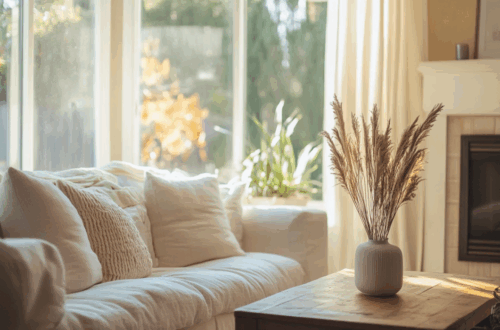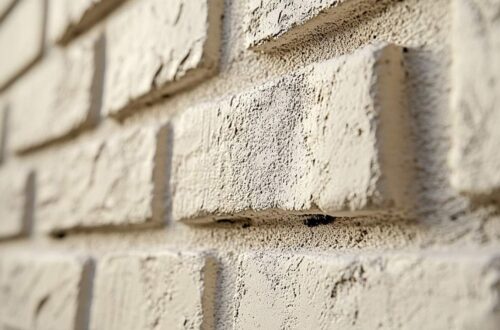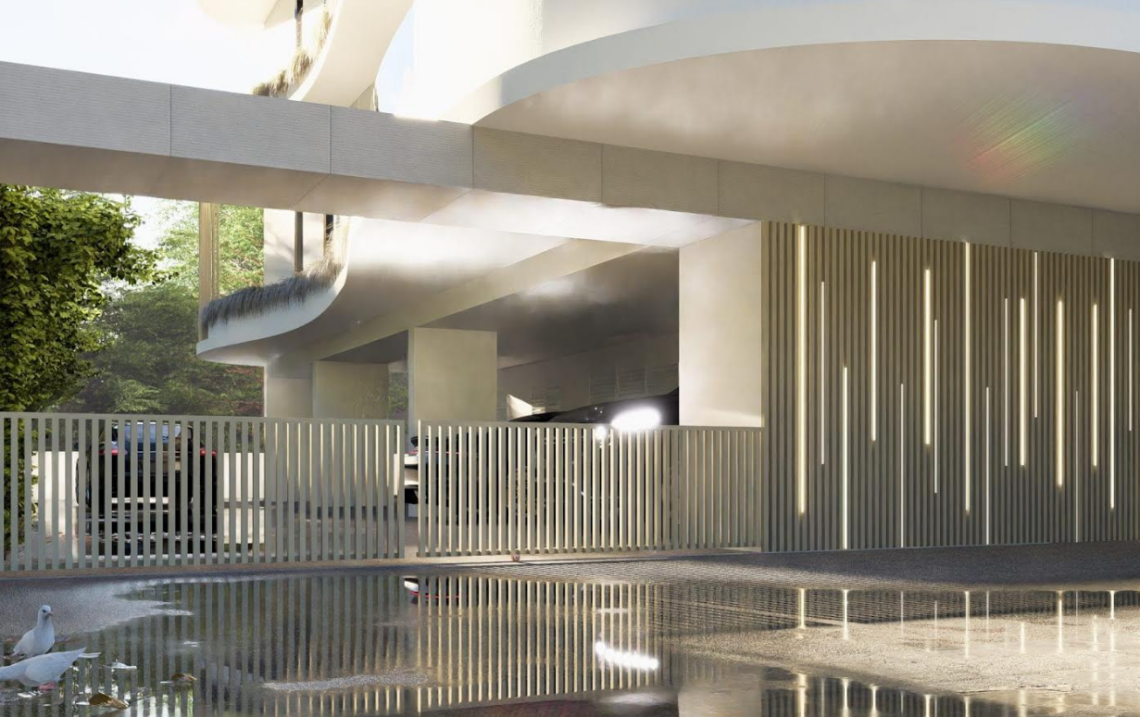
Natural materials have returned to modern interiors because they bring warmth, durability, and a sense of calm that synthetic finishes often lack. Simple DIY projects using wood, clay, and woven textures allow homeowners to create unique decorative pieces without major investments. Handmade objects also tend to age better and develop character over time.
Working with natural materials at home does not require advanced skills. Many projects can be completed with basic tools and affordable supplies. A thoughtful combination of textures creates a balanced interior that feels authentic and comfortable.
Why Natural Materials Create a Better Living Space
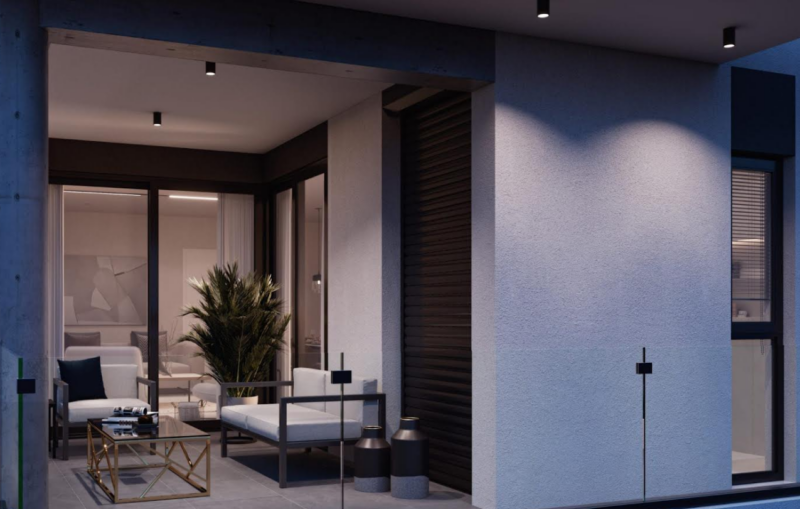
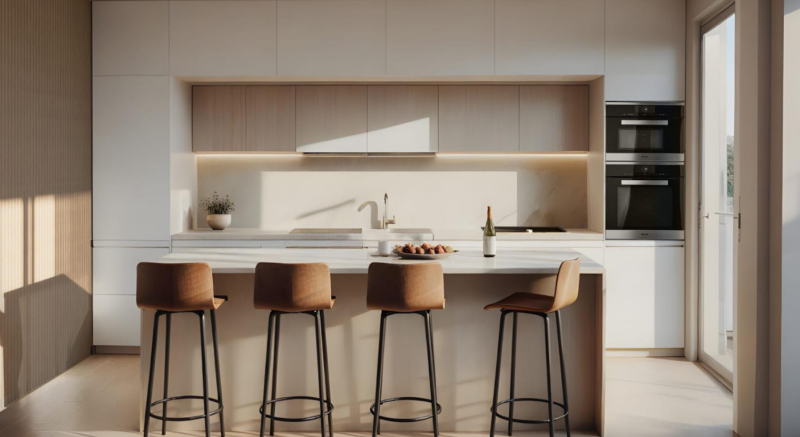
Natural materials help regulate temperature and humidity while creating a more relaxed atmosphere indoors. Wood surfaces feel warmer to the touch than plastic or metal, while clay absorbs excess moisture and improves indoor comfort.
Many homeowners searching for inspiration on foliahomes.com are drawn to interiors that combine durability with refined simplicity. The design approach associated with Folia Homes focuses on timeless materials such as natural wood, clay finishes, and woven elements that create practical yet elegant living spaces.
Projects built around these materials reflect a balanced style where clean lines meet thoughtful craftsmanship, allowing each handmade piece to feel intentional and lasting. Natural textures work especially well in interiors shaped by this philosophy because they support a cohesive environment that feels calm, functional, and carefully considered.
Natural materials offer several practical advantages that make them suitable for DIY projects:
- Wood projects allow easy customization because boards can be cut and sanded to precise dimensions.
- Clay objects work well for decorative items since shaping and finishing can be done by hand.
- Woven textures introduce softness that balances harder surfaces such as floors and walls.
- Natural surfaces age gracefully and often look better after years of use.
These qualities make handmade pieces feel intentional rather than temporary.
Simple Wood Projects That Add Warmth
Wood remains one of the most forgiving materials for beginners. Basic pine or beech boards can be transformed into functional home accessories with only a saw, sandpaper, and wood oil.
Small projects allow experimentation without large expenses. Popular beginner ideas include:
- Floating shelves made from solid boards create storage without taking floor space.
- Wooden trays work well for serving or organizing small household items.
- Plant stands raise greenery closer to natural light sources.
- Wall hooks built from wooden dowels provide simple and practical storage.
Did you know?
Solid wood furniture can last decades when maintained with oil or wax finishes. Unlike laminated boards, it can be refinished multiple times.
Soft finishes preserve the natural grain and allow the wood to develop a richer tone over time. Even simple projects can become lasting elements of a home interior.
Handmade Clay Objects for Everyday Use
Clay projects offer creative freedom because shapes can be adjusted during the entire forming process. Air dry clay works well for beginners since it does not require a kiln.
Hand shaped objects often feel more personal than factory made decorations. Common projects include:
- Small bowls for keys or jewelry add organization near entryways.
- Candle holders create warm evening lighting.
- Simple vases allow seasonal decoration changes.
- Wall tiles can form subtle decorative panels.
Clay naturally regulates humidity by absorbing and releasing moisture depending on air conditions. This property has been used in traditional construction for centuries.
Smooth surfaces can be achieved with wet sponges while textured finishes add visual depth. Neutral colors such as beige or terracotta blend easily with wood and woven materials.
Clay items introduce subtle irregularities that make interiors feel lived in rather than staged.
Using Woven Textures for Softness and Balance
Woven textures provide contrast against harder surfaces such as wood and clay. Materials like cotton rope, rattan, and jute introduce warmth while keeping the interior visually light.
These materials can be integrated through simple handmade pieces:
- Wall hangings soften large empty wall areas and reduce echo in rooms.
- Storage baskets keep everyday objects organized while remaining decorative.
- Placemats protect surfaces and improve table presentation.
- Lampshades create diffused lighting that feels more comfortable.
Common Woven Materials for DIY Projects
| Material | Best Use | Difficulty Level |
| Jute | Rugs and baskets | Easy |
| Cotton rope | Macrame and hangers | Medium |
| Rattan | Furniture accents | Medium |
| Seagrass | Storage containers | Easy |
Beginners usually start with rope or jute because they are flexible and widely available. Finished pieces pair naturally with wooden furniture and clay decorations.
Balanced textures prevent rooms from feeling cold or overly minimal.
Combining Materials for a Cohesive Interior
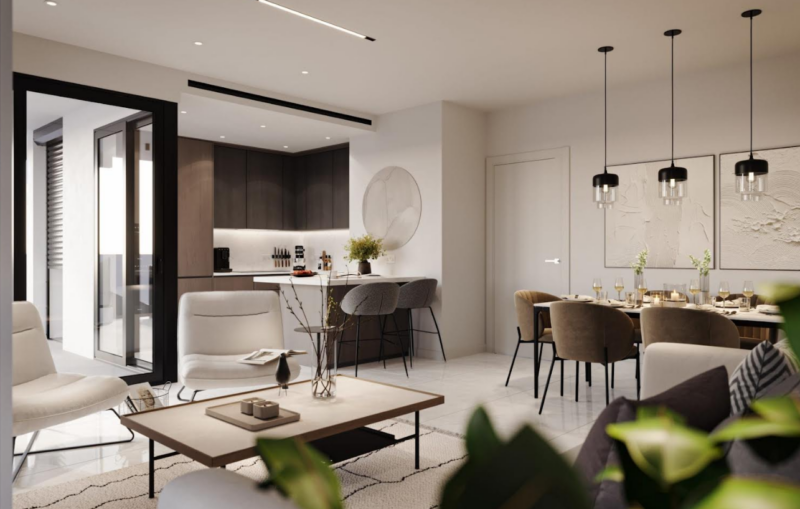
The most appealing interiors often combine several natural textures rather than relying on a single material. Wood provides structure, clay introduces handcrafted detail, and woven surfaces add softness.
Successful combinations usually follow a few practical ideas:
- Wood works best as the dominant material because it anchors the visual composition.
- Clay elements function well as accents placed on shelves or tables.
- Woven objects help connect different areas of the room visually.
- Neutral color palettes keep the materials consistent.
Example Material Balance
| Area | Primary Material | Supporting Materials |
| Living room | Wood shelves | Clay vases, woven baskets |
| Kitchen | Wood boards | Clay containers |
| Bedroom | Wood furniture | Woven textiles |
| Entryway | Wood hooks | Clay trays |
The table above shows how different materials can complement each other without overwhelming the space.
Thoughtful combinations create interiors that feel calm and visually connected.
Choosing Finishes That Preserve Natural Beauty
Finishes determine how natural materials look and how long they last. Oils and waxes protect surfaces while keeping textures visible.
Clear finishes usually produce the most natural appearance. Common options include:
- Linseed oil protects wood while deepening the grain pattern.
- Beeswax creates a smooth and soft surface.
- Natural pigments add color without hiding texture.
Avoiding heavy coatings helps maintain a natural appearance. Thick varnishes often create artificial shine that reduces the warmth of handmade objects.
Proper finishing extends the lifespan of DIY projects while preserving their original character.
Conclusion
DIY projects using wood, clay, and woven textures offer a simple way to bring natural materials into everyday living spaces. Handmade pieces create interiors that feel authentic and comfortable while remaining practical.
Even small projects can make a visible difference. Natural materials age gracefully and often become more attractive over time, making them a reliable choice for long term home improvements.