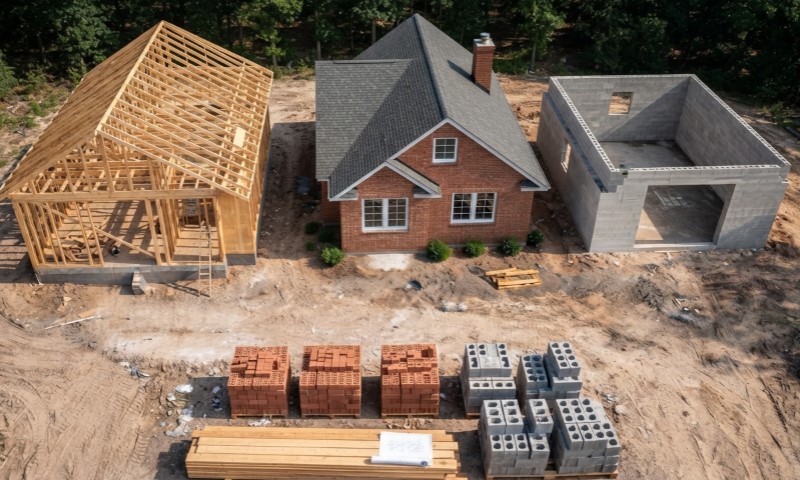
A house can look flawless and still be aging badly behind the walls.
Fresh paint, expensive flooring, and stylish fixtures say very little about how well a building will hold up over the next 30, 50, or 80 years.
Longevity is usually decided in places nobody sees after construction is finished:
- Inside concrete
- Beneath tiles
- Behind drywall
- Around window openings
- Under roof edges
That gap is large enough to explain why two homes built in the same decade can age nothing alike.
Structure Comes First
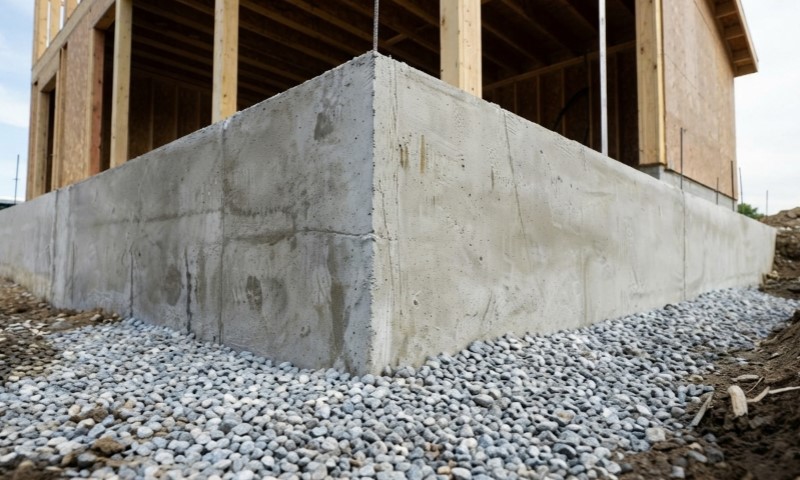
Structural components sit at the expensive end of the repair spectrum because getting to them usually means opening:
- Floors
- Walls
- Ceilings
- Entire sections of a building
Concrete, masonry, foundations, and framing therefore carry far more long-term importance than finishes that can be swapped in a weekend.
Reinforced-concrete frames, slabs, and foundations can often last around 50 to 100 years under suitable conditions. Brick walls commonly reach 50 to 80 years.
Properly built poured-concrete foundations can exceed 100 years. Steel framing and timber framing can also pass the century mark when moisture, movement, and corrosion are properly controlled.
For homeowners comparing practical applications of this construction method, homes by Elythera show how steel framing can be used across residential designs ranging in size, layout, and configuration.
Several problems tend to shorten structural life long before the material itself has reached its natural limit:
- Poor curing can weaken concrete and make it more vulnerable to deterioration.
- Thin concrete cover can leave reinforcement less protected against moisture.
- Persistent leaks can speed up corrosion and cracking.
- Bad detailing around joints can let water attack areas that are difficult to inspect.
- Long life starts with construction that gets boring details right.
Waterproofing Protects Everything Else
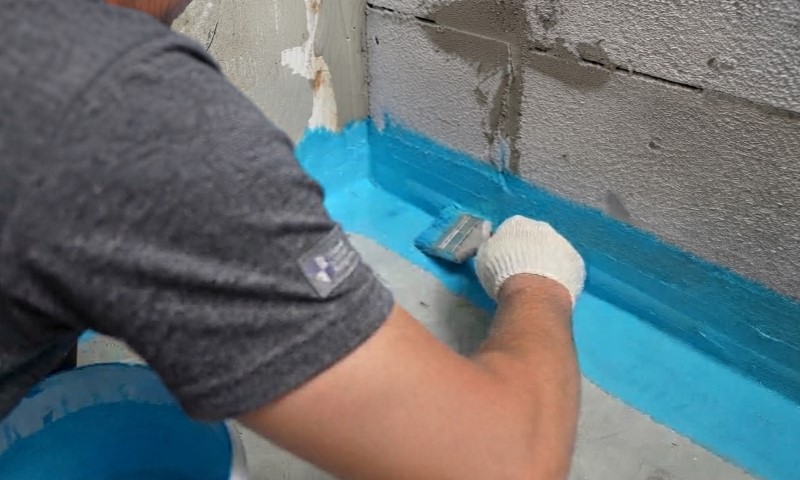
Waterproofing is easy to ignore because, when it works, nothing happens.
Once it fails, several unrelated parts of a house can start deteriorating at the same time.
Service life differs sharply by system:
| Coating | Lifespan |
| Acrylic coatings | 5-10 years |
| Polyurethane membranes | 10-15 years |
| Bituminous membranes | 15-25 years |
| HDPE and EPDM membranes | 20-40 years |
Bituminous foundation waterproofing may last only around 10 years in some applications, even though the concrete foundation behind it can last more than 100 years.
That mismatch matters.
A long-lived structural element can still be damaged by a short-lived protective layer sitting in front of it. Once waterproofing fails behind finished surfaces, repair costs rise quickly.
Wet or damp building materials should generally be dried within 24 to 48 hours to reduce the risk of mold growth. Indoor relative humidity is also best kept below 60%, with 30% to 50% considered an ideal range for moisture control.
FEMA uses a demanding benchmark for flood-damage-resistant materials: they must tolerate direct contact with floodwater for at least 72 hours without damage requiring more than cosmetic repair.
Hidden Plumbing and Electrical Systems Matter
Once walls are closed, replacing concealed services can mean cutting plasterboard, lifting floors, removing cabinetry, breaking tiles, and then paying to repair everything opened along the way.
Material choice affects how soon that problem arrives:
| Pipe Material | Lifespan |
| Galvanized iron | 15-25 years |
| CPVC | 25-40 years |
| UPVC drainage | 30-50 years |
| Copper | 40-60 years |
Other estimates put copper water lines closer to 50 to 70 years and PVC waste pipes around 50 to 80 years.
Differences like those are normal. Water chemistry, pressure, heat, workmanship, joint quality, and local conditions can all shorten or extend service life.
Electrical systems follow a similar pattern. Copper wiring with FRLS insulation may last roughly 30 to 50 years. Electrical panels often need replacement sooner, commonly after 15 to 25 years.
Installation Can Matter as Much as the Material
Even published lifespan figures have limits. Building-service-life research treats durability as a combination of material performance and the conditions that material actually faces, which is why the same product can age very differently in two houses.
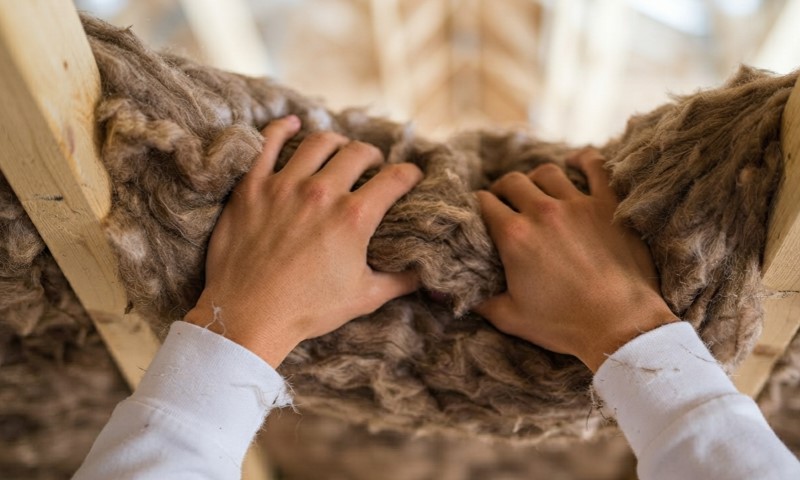
Insulation can be compressed into gaps. Framing can be out of line. Sealants can be paired with materials they do not bond to properly.
Problems often start where one material meets another. Different materials move at different rates as temperatures rise and fall.
Roof edges, balconies, corners, windows, doors, wall penetrations, and joints all concentrate that movement into small areas.
A well-executed detail can stay watertight for around 30 years in some conditions. Poor work can start failing in only five.
That difference rarely has anything to do with how expensive the visible finish was.
Several areas deserve extra attention during installation:
- Flashings need to move water outward, not trap it behind cladding or roofing.
- Insulation should fit snugly without major gaps or excessive compression.
- Framing needs accurate alignment before later layers go on.
- Membranes need clean, properly sealed transitions around penetrations.
- Sealants need to suit both movement and the materials they are joining.
Climate Changes Material Lifespan
View this post on Instagram
A material does not age in a laboratory once it becomes part of a house.
It sits in heat, wind, rain, humidity, salt, freezing temperatures, UV radiation, and shifting moisture levels. Local conditions can change its lifespan by decades.
Concrete makes that clear.
A properly built slab in a mild environment may reach around 80 years. Poorly constructed concrete in an aggressive coastal setting can show corrosion-related cracking within 20 to 25 years.
Salt is especially hard on reinforced concrete once moisture reaches embedded steel. Humidity can also create problems in timber, insulation, coatings, and enclosed cavities.
Roofs take another kind of punishment. Aging can change performance surprisingly early.
Testing of asphalt shingles found strong hail performance across many products for roughly the first five years when no previous hail damage was present.
Conventional shingles between 5 and 10 years old had already lost much of that resilience during moderate hail events.
Think in Replacement Cycles
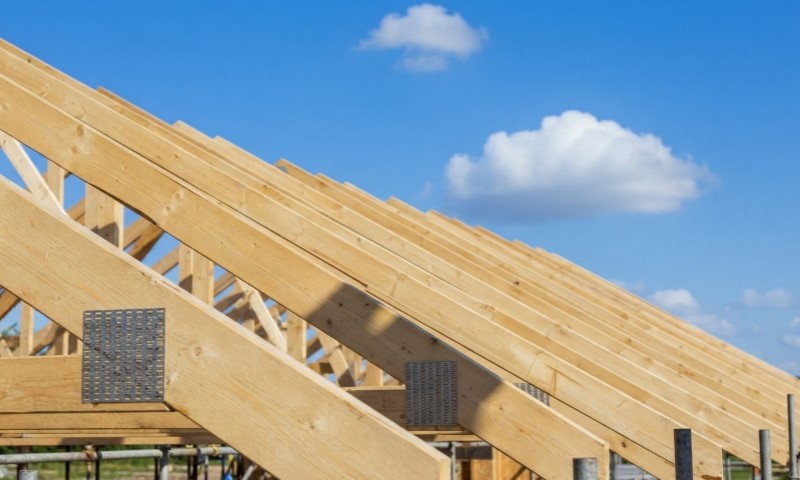
A good house needs expensive, buried, and difficult-to-reach parts to last as long as reasonably possible. Easier items can be renewed on a schedule.
Interior paint often lasts around 5 to 8 years. Exterior paint may last 5 to 10 years. Caulking commonly needs replacement within 5 to 10 years.
None of those numbers are alarming. Paint and sealants are supposed to be renewed:
| Flooring Material | Lifespan |
| Engineered wood | 15-25 years |
| Vitrified tile | 25-40 years |
| Granite | 30-50 years |
Many structural systems, masonry materials, and insulation products can reach 100 years or more in suitable conditions.
Price makes more sense once replacement frequency enters the calculation.
Money is usually better spent on parts that are buried or hard to access:
- Waterproofing beneath finished surfaces
- Concealed plumbing
- Structural framing
- Insulation inside walls
- Major flashing systems
- Critical joints and penetrations
FAQs
Closing Thoughts
Long-lasting homes are not created by one premium material.
Maintenance matters too. Short-lived components need attention before they fail and start damaging longer-lived parts around them.
A beautiful finish can hide bad construction for a while. Good hidden work keeps a house functioning long after the novelty of the finish is gone.